


How Digital Twin Services Improve Asset Visibility Across Entire Projects
Using Digital Twin Services to Improve Asset Visibility
Introduction
How Digital Twin Services Improve Asset Visibility Across Entire Projects gives project teams a more dependable way to plan, communicate, and deliver work. Instead of relying on outdated drawings, scattered notes, or repeated site visits, teams can work from structured digital information that reflects real conditions on the ground. For organisations managing buildings, infrastructure, public assets, or complex redevelopment work, that shift has a direct effect on cost, speed, and decision quality.
In digital twin services workflows, one of the biggest challenges is the gap between what teams think exists and what is actually on site. That gap creates delays, clashes, rework, and confusion between consultants, contractors, operators, and owners. Better data does not just make documentation look more professional. It changes how decisions are made at every stage, from early scoping through design development, construction, handover, and long-term maintenance.
When the information is clear, current, and easy to access, stakeholders spend less time verifying assumptions and more time moving the project forward. Teams can compare options faster, communicate scope more clearly, and reduce unnecessary travel. This is especially valuable on large sites, remote locations, live facilities, and projects involving multiple parties who need to coordinate around the same asset.
Key Benefits
- More accurate site understanding before design or construction work begins
- Fewer surprises caused by missing measurements or outdated records
- Faster collaboration between field teams, consultants, and decision-makers
- Better documentation for future maintenance, upgrades, and compliance
How the Workflow Creates Value
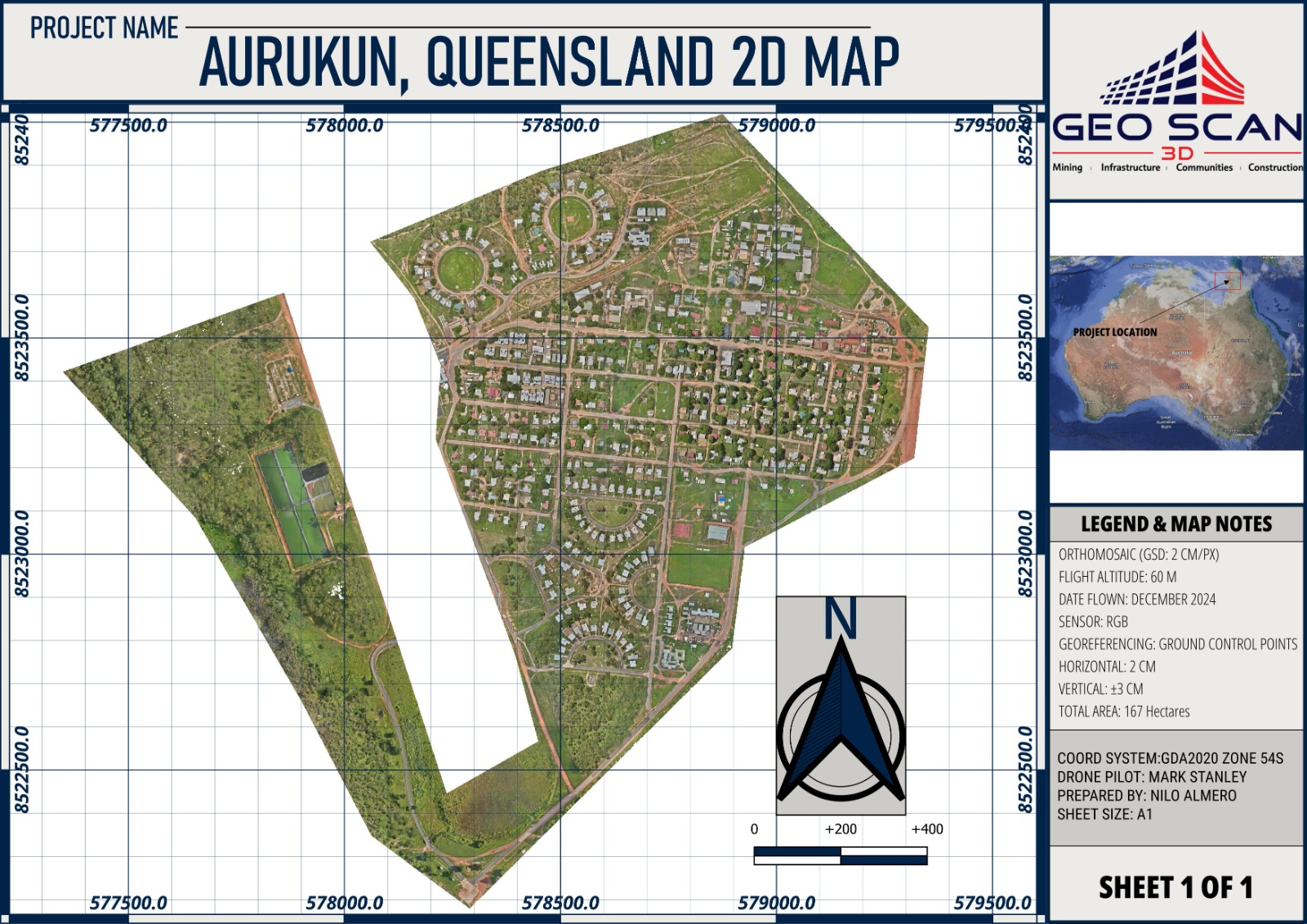
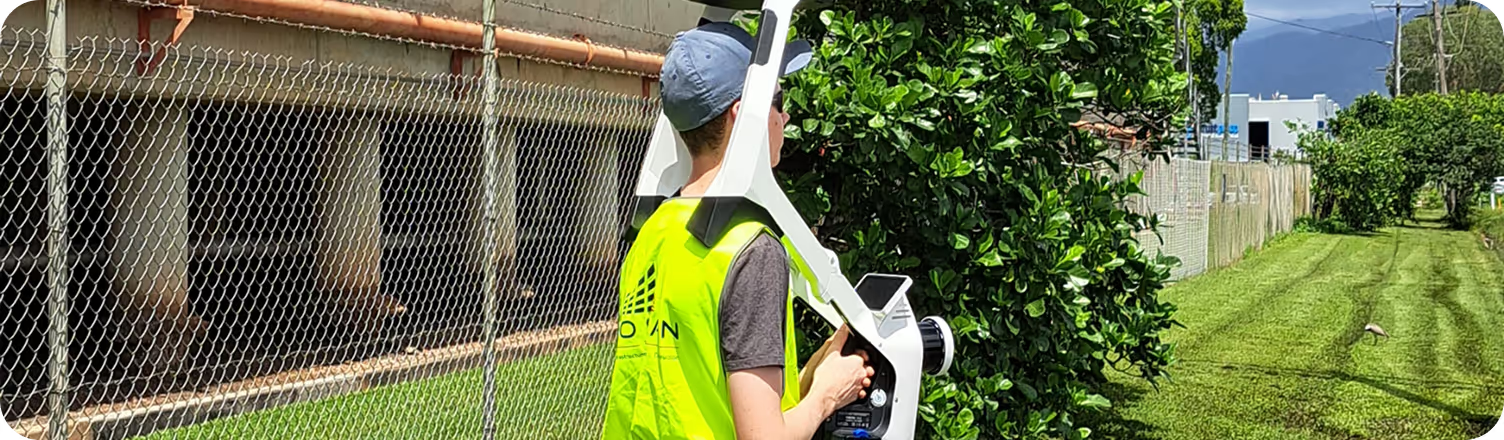
A strong workflow usually begins with high-quality field capture. Depending on the project, that can include laser scanning, drone capture, photogrammetry, topographical survey, ground investigation, or structured asset collection. The raw data is then processed into useful outputs such as models, floor plans, point clouds, maps, annotations, and linked asset registers. The real value appears when those outputs are organised so people can quickly use them, not just store them.
For many clients, the most immediate win is visibility. Instead of asking several teams for separate files, they can review the same source of truth and understand existing conditions with much more confidence. In practical terms, that means fewer clarification emails, fewer follow-up site visits, and fewer design assumptions that later need to be corrected. Over time, this also builds a stronger foundation for maintenance planning, capital works, and staged upgrades.
Where Teams Use It Most
Common use cases for digital twin services include pre-construction planning, refurbishment scoping, infrastructure condition assessment, compliance documentation, remote review, and lifecycle asset management. On public-sector projects, these workflows can also support procurement by allowing suppliers and consultants to understand a site before attending in person. On operational sites, they reduce disruption because teams can inspect existing conditions digitally before scheduling physical works.
Another important advantage is communication. Technical teams may be comfortable reading layered data sets, but decision-makers often need information translated into formats that are fast to understand. Clear visuals, well-structured plans, and connected asset information help non-technical stakeholders see what is happening and why it matters. That improves approvals, budgeting conversations, prioritisation, and cross-team alignment.
Making the Data Useful After Delivery
The most successful projects do not treat digital outputs as one-off deliverables. They treat them as long-term operational resources. A scan, survey, or model becomes more valuable when it connects to naming conventions, maintenance records, location data, photos, and update processes. That is how an initial capture exercise turns into a reliable digital reference that continues delivering value after the first phase of work is complete.
To implement this well, start with a clear objective. Decide whether the priority is design accuracy, safer excavation, asset visibility, better documentation, or remote access. Then define what outputs the team actually needs, who will use them, and how the information will be maintained. In digital twin services, quality is not just about capture resolution. It is also about usability, structure, and consistency.
Conclusion
Ultimately, how digital twin services improve asset visibility across entire projects is not just about producing another technical file. It is about giving teams confidence. When people can trust the information in front of them, they work faster, ask better questions, and make stronger decisions. That leads to smoother delivery in the short term and more resilient asset management in the long term.


